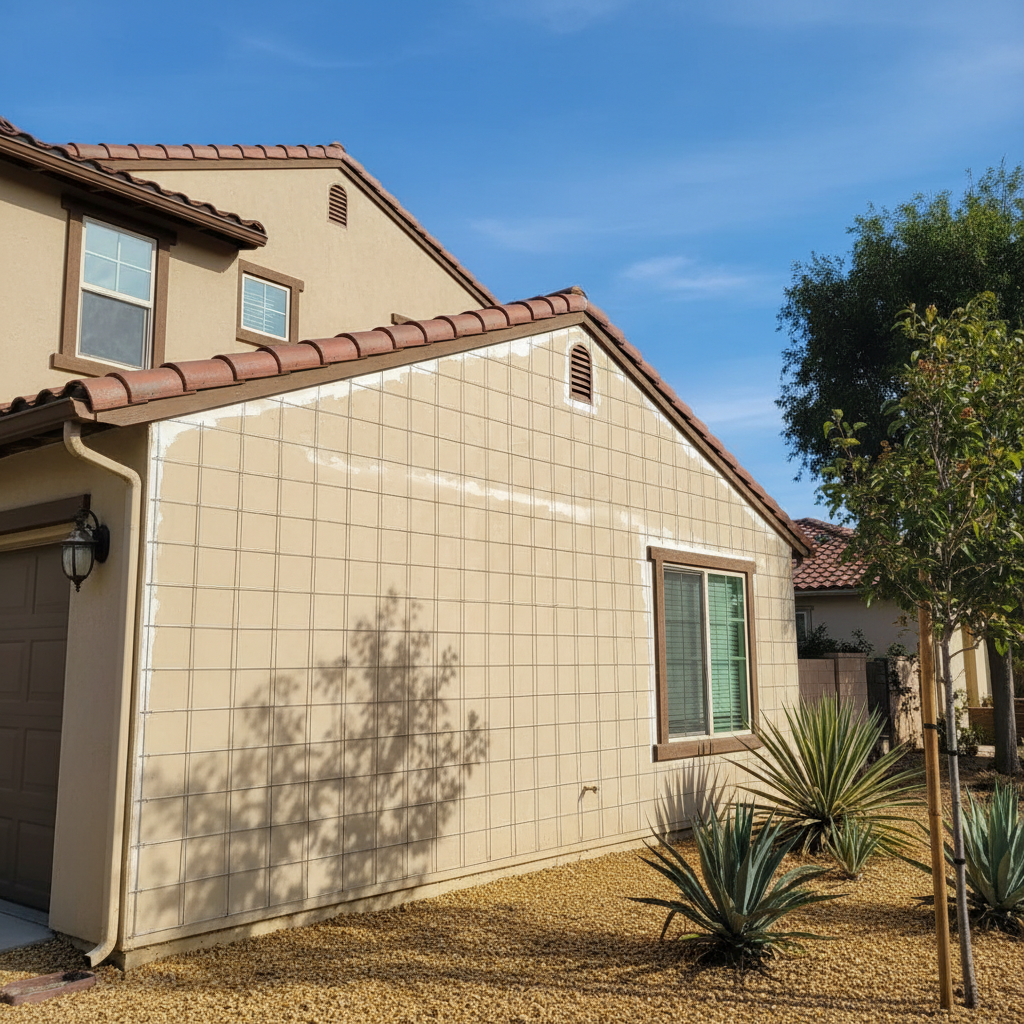
You finally did it. You pulled the trigger, got that old, tired stucco off your Irvine home, and put up some beautiful new siding. Maybe it's fiber cement, maybe it's wood, or even a different type of paneling. Whatever you chose, it's a big investment, and you want it to last. I've seen countless homes get a facelift after stucco removal, and the key to making that investment pay off for the long haul is good maintenance. It's not rocket science, but it does take a little attention.
Extending the Life of Your New Siding
Once the stucco's gone and the new stuff's up, the first thing you need to think about is protection. Here in California, especially in a place like Irvine with our intense sun and occasional Santa Ana winds, UV radiation is a real killer for exterior finishes. A good quality paint or stain, applied correctly, is your first line of defense. Don't skimp on this. If you went with fiber cement, make sure it's painted with an acrylic latex exterior paint that's designed to flex with temperature changes. For wood, a high-quality stain or paint will protect against moisture and UV.
Another big one is proper drainage. When we do stucco removal at Irvine Stucco & Plastering, we make sure the underlying structure is sound and ready for whatever's next. But once the new siding is on, you need to ensure water isn't sitting against it. Check your gutters and downspouts. Are they clean? Are they directing water away from your foundation and walls? If water pools near your home, it can seep behind the siding, causing rot, mold, and all sorts of headaches you just got rid of with the stucco removal. Make sure your landscaping isn't trapping moisture against the house either.
Regular Maintenance: What You Need to Do
Alright, so what does 'regular maintenance' actually look like? It's simpler than you might think.
- Clean it regularly: At least once a year, give your new siding a good cleaning. A soft brush and a garden hose with some mild soap (like dish soap) usually do the trick. For tougher spots, a low-pressure power washer can be used, but be careful not to blast water up under the siding or damage the finish. You're just trying to remove dirt, pollen, and any mildew that might be starting to form.
- Inspect for damage: Walk around your house every six months or so. Look closely at the siding. Are there any cracks, chips, or peeling paint? Are there gaps in the caulking around windows, doors, and trim? Catching these small issues early can save you a ton of money and hassle down the road.
- Trim back foliage: Keep trees, shrubs, and vines from growing directly against your house. They can trap moisture, rub against the siding causing wear, and create pathways for pests.
- Check your flashing: This is the metal or plastic material that directs water away from vulnerable areas, like around windows, doors, and rooflines. Make sure it's still securely in place and not bent or corroded.
Warning Signs of Problems
You've done the work, but sometimes things still go wrong. Here are some red flags that tell you something's not right with your new siding:
- Discoloration or staining: Dark streaks, green patches, or general fading can indicate water intrusion, mold/mildew growth, or sun damage. If you see persistent staining, especially below windows or rooflines, it's a sign water isn't draining properly.
- Cracks, chips, or buckling: These are pretty obvious. Cracks can let water in, chips expose the underlying material, and buckling often means moisture is getting behind the siding and causing expansion.
- Peeling or blistering paint: This means the paint isn't adhering well, possibly due to moisture behind it or improper application. It's not just cosmetic; it leaves your siding vulnerable.
- Pest activity: If you suddenly notice more ants, termites, or other insects near your siding, it could mean they've found a way in, or moisture is attracting them.
- Increased energy bills: Sometimes, issues with your exterior can impact your home's insulation, leading to higher heating or cooling costs. This might be a more subtle sign, but worth noting.
- Musty odors inside: If you start smelling dampness or mildew indoors, especially near exterior walls, you've likely got a moisture problem that needs immediate attention.
Here in Irvine, with our clay-rich soils in some of the older neighborhoods like Walnut or Woodbridge, foundation shifts can sometimes put stress on exterior walls. Keep an eye out for any new cracks that seem to originate from the foundation area and extend upwards.
When to Call a Professional
Look, I'm a big believer in DIY when it makes sense, but some things are best left to the pros. You should definitely call someone like us at Irvine Stucco & Plastering, or another reputable contractor, if you notice any of these:
- Significant water intrusion: If you see water actively leaking into your home through walls, or large areas of dampness, don't wait. This needs immediate professional assessment.
- Widespread damage: A small crack you can caulk yourself is one thing. If you have multiple areas of cracking, buckling, or widespread peeling paint, it's likely a systemic issue that requires a more comprehensive repair.
- Pest infestation: Especially with termites, you need a pest control expert and then a contractor to repair any damage and seal entry points.
- You're unsure: If you see something and you're not sure if it's a big deal or not, it's always better to get a professional opinion. A quick inspection can give you peace of mind or catch a problem before it gets out of hand.
- Damage after a storm: After a big windstorm or heavy rain, it's smart to have a professional check for any hidden damage, especially to flashing or areas around the roofline.
Your home's exterior is its armor. You invested in a great new look after getting rid of that old stucco, so protect that investment. A little regular care goes a long way in keeping your home beautiful and problem-free for years to come.