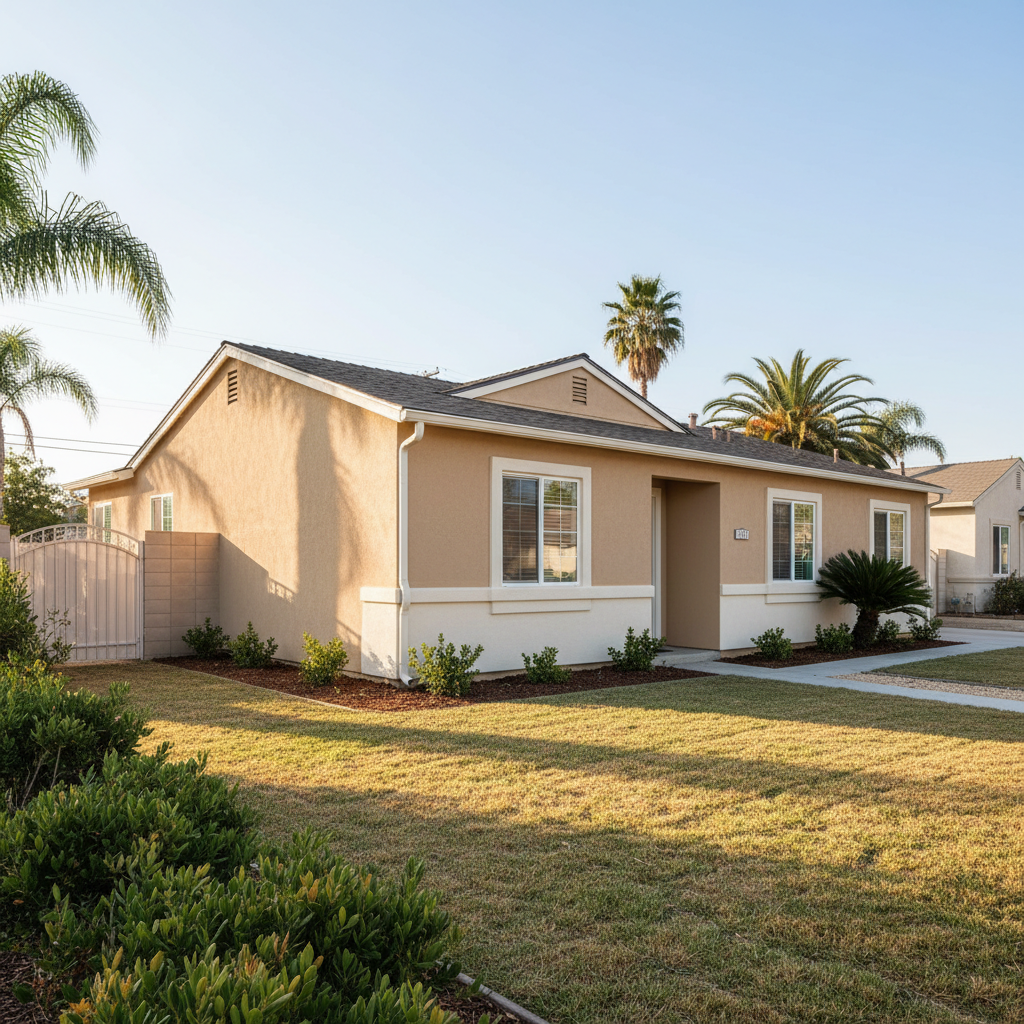
You're looking into EIFS for your property, and naturally, you want to know what it's going to cost. It's not a simple 'per square foot' number you can just pull out of thin air, but I can give you a solid idea of what to expect here in Irvine.
EIFS, or Exterior Insulation and Finish System, is a premium cladding. It's not cheap, but it offers some serious benefits like energy efficiency and design flexibility that traditional stucco can't always match. Because it's a multi-layered system, there are a lot of moving parts that affect the final price tag.
What Drives EIFS Pricing?
When I'm putting together a quote, I'm looking at several key factors. These are the things that really push the price up or down:
- System Type: There are different types of EIFS. The most common is barrier EIFS, which is generally more affordable. Drainage EIFS, which includes a drainage plane behind the insulation, costs more but offers superior moisture management – a big plus with our occasional heavy rains and the potential for trapped moisture. You're looking at a 10-20% increase for a drainage system, but it's often worth it for peace of mind.
- Insulation Thickness: EIFS is all about insulation. The thicker the insulation board (typically expanded polystyrene or EPS), the better the R-value and the higher the cost. Standard thickness is usually 1-2 inches, but if you want higher thermal performance, going thicker will add to the material cost.
- Surface Condition & Prep: Is it a new build with a perfectly flat substrate? Or are we going over old, uneven stucco or siding? Extensive prep work, like removing old cladding, repairing sheathing, or leveling surfaces, adds labor and material costs. Don't underestimate this part; proper prep is crucial for a lasting EIFS job.
- Architectural Details & Complexity: This is a big one. Simple, flat walls are the most cost-effective. But if your design includes lots of architectural foam shapes, intricate trim, cornices, columns, or multiple pop-outs, the labor and material costs for these custom elements will climb significantly. Think about a custom home in Shady Canyon versus a more straightforward tract home in Woodbridge – the details make a huge difference.
- Finish Type & Texture: The final topcoat comes in various textures and colors. A fine, smooth finish might be slightly less expensive than a coarse, aggregate-heavy texture. Specialized finishes or custom color matching can also add to the cost.
- Accessibility: Can we easily get equipment and materials to all parts of the building? If we need extensive scaffolding, lifts, or have limited access, that adds to labor time and equipment rental.
- Project Size: Generally, larger projects get a better per-square-foot rate because of economies of scale. Mobilization costs are spread out over more area.
Typical EIFS Cost Ranges in Irvine
Alright, let's talk numbers. For a typical residential or light commercial project in Irvine, you're generally looking at a range of $10 to $20 per square foot for EIFS installation. This is a broad range, and here's how it breaks down:
- Basic Barrier EIFS (simple walls, minimal details): You might see prices closer to $10 - $14 per square foot. This is for a straightforward application on a relatively flat surface with standard insulation thickness.
- Drainage EIFS (standard details): For a good quality drainage system on a moderately complex structure, expect $14 - $18 per square foot. This is what I recommend for most Irvine homes due to our climate.
- Complex Drainage EIFS (lots of architectural details, thicker insulation, custom finishes): For high-end projects with intricate designs, thicker insulation, or specialized finishes, prices can easily go up to $18 - $25+ per square foot.
Keep in mind, these numbers are for the EIFS system itself, installed. They generally don't include things like extensive structural repairs, window/door replacement, or major landscaping changes that might be needed around the work area.
What Your Quote Should Include
A good quote from Irvine Stucco & Plastering, or any reputable contractor, should be detailed. You want to see:
- Scope of Work: A clear description of what's being done, including surface preparation, specific EIFS system (barrier or drainage), insulation thickness, and finish type.
- Materials: Breakdown of the EIFS components (adhesives, insulation, base coat, mesh, primer, finish coat) and their specifications.
- Labor: Cost associated with installation.
- Permits: Who is responsible for pulling necessary permits (usually the contractor).
- Warranty Information: Details on the manufacturer's warranty for the EIFS system and the contractor's warranty on workmanship.
- Payment Schedule: Clear milestones for payments.
How to Avoid Overpaying
Don't just jump at the lowest bid. EIFS is a specialized system, and cutting corners will cost you more in the long run.
- Get Multiple Bids: Three detailed quotes from reputable, licensed, and insured contractors are ideal. Make sure they're quoting on the same scope of work and system type so you can compare apples to apples.
- Check References & Reviews: Talk to past clients. Look at their previous work.
- Understand the System: Ask questions. A good contractor will explain why they recommend a certain system or thickness.
- Don't Skimp on Drainage: Seriously, for Irvine's climate, a drainage EIFS system is a smart investment. It might add a bit to the upfront cost, but it's crucial for preventing moisture issues down the line.
- Verify Licenses & Insurance: Make sure they're properly licensed by the CSLB and carry adequate liability and worker's comp insurance. You don't want to be on the hook if something goes wrong.
EIFS is a fantastic investment for your property when done right. It'll boost your home's energy efficiency, curb appeal, and overall value. Just make sure you're working with someone who knows their stuff and provides a transparent, fair quote.